Featured
Table of Contents
In the context of these pairs, every person has a 'leading' function that has a tendency to predominate in their individuality and behavior, in addition to an 'auxiliary' feature that offers to sustain and stabilize the dominant. The other two features are much less noticeable and constitute the 'tertiary' and 'inferior' or 'fourth' features. The Myers-Briggs Type Sign (MBTI) is a character inventory based upon these ideas of Jung.
Each letter matches to one preference in each of the dichotomous pairs. It's important to keep in mind that, while these classifications assist us recognize various individuality types, human actions is complicated and can not be entirely captured by these categorizations., yet this specific theory led them to part ways.
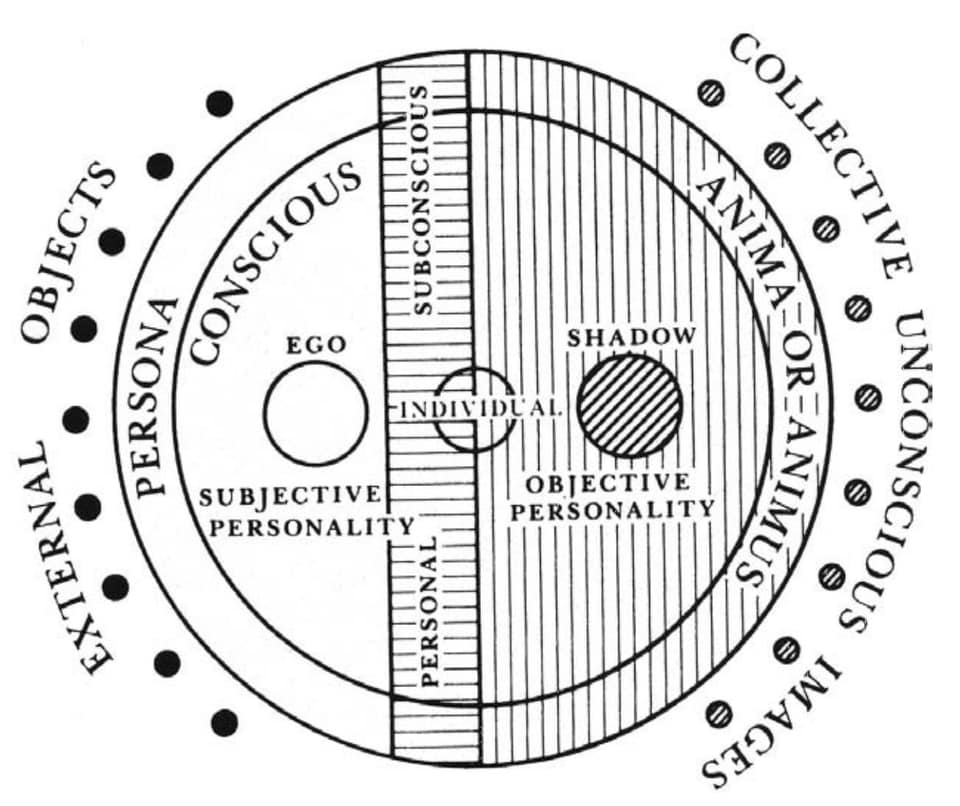
Onward progression is commonly damaged as a result of inner dispute and self-sabotage coming from partition of the different selves within a person. Individuation entails integrating every one of an individual's past favorable and adverse experiences in such a method that the person can live a healthy, efficient, and emotionally stable life.
The procedure of individuation takes place via numerous approaches, consisting of desire interpretation and energetic creative imagination, and gives birth to a fully grown, holistically healthy and balanced and harmonious individual. Jung was the initial to use the term cumulative unconscious as a way for explaining an expression of the subconscious that is shown by every living being with a nerve system.
How Trauma Processing Heals Unresolved Grief in Dalkey, Ireland
Jung believed the cumulative subconscious was acquired and intrinsic to each being, instead of a result of specific events. The collective subconscious holds mental photos that can not be explained historically or through experience, yet exist just as a transformative spin-off. Jung additionally utilized the term logos in his thoughtful theories.
Jung frequently described the contrast between mindful versus subconscious as logos versus mythos. In addition, Jung thought that logo designs was the male variation for rationality, where the women counterpart, eros, represented psychic availability or feeling. Nekyia is an essential element of Jung's analysis. Nekyia, or the process of diving into the unconscious, is, according to Jung, an intentional and crucial activity.
This approach depends on finding the intentions behind mental problems as a way to treat them. Throughout depth psychology, a therapist works with a customer to disclose the resource of their concern, rather than the signs and symptoms connected with it.
One of the phenomena that exists detailed psychology is that of the "damaged healer." When a therapist functions with a client that has comparable psychological wounds, the specialist familiarizes this dynamic and may inadvertently move his wounds back to the customer. This procedure of countertransference can be damaging to both the specialist and the customer due to the fact that it reveals the specialist to the wounds of his customer, therefore potentially infecting the therapeutic procedure.
When Depression therapy and Medication Work Together for Trauma in Dalkey, Ireland
Jung's psychodynamic theories included the recognition of a spiritual existence within each individual, as well as differing arranging components within the mind. The Myers-Briggs Type Indication (MBTI), developed by Isabel Briggs Myers and Katharine Cook Briggs, was based on the concepts Jung explored in his publication Emotional Kinds.
One more procedure, the Jungian Kind Index (JTI), created in 2001, was developed by Hallvard E. Ringstad and Thor Odegard to provide a more accurate assessment of an individual's advantageous method of mental processing. The JTI is based on the certain emotional functions described by Jung and is provided in a shorter and generally easy to understand way.
Visual Methods to EMDR therapy
An additional variation of these examinations is the Keirsey Personality Sorter. Although it is additionally freely based on Jung's concepts, its content and application varies substantially from both the JTI and the MBTI.
The technique stresses discovering the true self, utilizing art, misconception, and other devices to aid clients accessibility these sensations, ideas, and beliefs., which he believed plays a huge duty in forming thoughts and actions.
Locate out which option is the ideal for you., symbols, and mythology. The therapist will help the customer discover these principles and comprehend the meaning they hold for the person.
Below is a list of a few of the strategies made use of in Jungian therapy: Art can offer a way to access the unconscious and discover photos that develop. Through art, we can learn regarding our self-image and what icons and motifs arise when concentrating on a certain problem. One of the most vital means of attaining understanding in the Jungian evaluation is via desires, which often give material to deal with in therapy.
Online EMDR Treatment
Jung's psychodynamic concepts consisted of the recognition of a spiritual presence within everyone, along with varying organizing aspects within the mind. With each other, these aspects and archetypes might at times emerge in dispute, creating interior conflict. Jung's thoeries likewise influenced much of the evaluation tools utilized in psychiatric therapy today. The Myers-Briggs Kind Indicator (MBTI), developed by Isabel Briggs Myers and Katharine Cook Briggs, was based on the theories Jung explored in his book Psychological Types.
Another action, the Jungian Type Index (JTI), created in 2001, was developed by Hallvard E. Ringstad and Thor Odegard to offer a more precise evaluation of an individual's advantageous approach of psychological processing. The JTI is based upon the certain mental functions outlined by Jung and is presented in a shorter and globally reasonable way.
One more variation of these examinations is the Keirsey Personality Sorter. Although it is additionally loosely based on Jung's theories, its material and application differs substantially from both the JTI and the MBTI.
Understanding the Healing Alliance in Trauma Therapy
The strategy highlights finding the true self, using art, misconception, and various other tools to aid people gain access to these sensations, ideas, and ideas. Furthermore, Jungian treatment includes delving right into the subconscious mind, which he believed plays a large duty fit ideas and actions. Specialists still use Jungian therapy to assist people with conditions such as depression, anxiousness, and reduced self-worth.
Find out which choice is the best for you., symbols, and mythology. The specialist will certainly assist the client explore these principles and recognize the significance they hold for the person.
Below is a checklist of some of the techniques utilized in Jungian treatment: Art can give a method to access the subconscious and check out pictures that emerge. With art, we can discover our self-image and what icons and themes arise when concentrating on a certain problem. Among the most vital means of attaining insight in the Jungian analysis is via desires, which typically offer material to collaborate with in therapy.

Latest Posts
Why Emotional Trauma Affects Your Mind
Breaking Free From Shame in Eating Disorder Recovery
Self-Regulation Strategies Learned Through Ashburn, VA Therapy: Outside the Office