Featured
Table of Contents
The five stages of grief are rejection, anger, negotiating, depression, and acceptance. Every person experiences pain in a different way, and it is necessary to permit people to regret in their very own method. If you or an enjoyed one is handling loss, it can be handy to find out more about the grieving procedure.
It's important to keep in mind that the mourning process can be intricate, and it isn't the very same for everyone. These steps may not be adhered to specifically, or other sensations might appear after you assumed you were with the stages of grieving. Enabling space to experience sorrow in your own method can aid you recover after loss.
It recommends that we go via five unique stages after the loss of a loved one. These stages are denial, rage, negotiating, anxiety, and lastly approval.
During this stage in grieving, our reality has actually moved completely. It can take our minds time to adapt to our brand-new fact. We review the experiences we have actually shown to the individual we lost, and we may find ourselves questioning how to progress in life without he or she. This is a great deal of details to check out and a great deal of agonizing imagery to procedure.
Boundaries for Helping Professionals After Trauma Healing in San Francisco
Denial is not only an attempt to claim that the loss does not exist. We are likewise trying to take in and understand what is occurring. The 2nd stage in grieving is anger. We are trying to get used to a brand-new truth and are most likely experiencing extreme psychological discomfort. There is so much to process that anger might seem like it allows us an emotional electrical outlet.
Rage additionally has a tendency to be the very first point we really feel when beginning to release emotions associated to loss. This can leave us really feeling separated in our experience.
During bargaining, we tend to focus on our personal faults or remorses. We might look back at our interactions with the individual we are shedding and keep in mind all the times we really felt disconnected or may have triggered them discomfort. It prevails to recall times when we may have claimed things we did not indicate and wish we can return and act in a different way.
During our experience of processing sorrow, there comes a time when our creative imaginations calm down and we slowly start to consider the fact of our existing circumstance. Bargaining no more seems like an option and we are confronted with what is taking place. In this phase of grieving, we start to feel the loss of our enjoyed one more generously.
How Focused Treatment for Healthcare Workers Matters in Your Community
In those moments, we have a tendency to pull internal as the unhappiness grows. We may locate ourselves retreating, being much less friendly, and reaching out much less to others about what we are going via. Although this is an extremely natural phase in the grieving procedure, managing anxiety after the loss of a loved one can be extremely isolating and one of the most difficult phases.
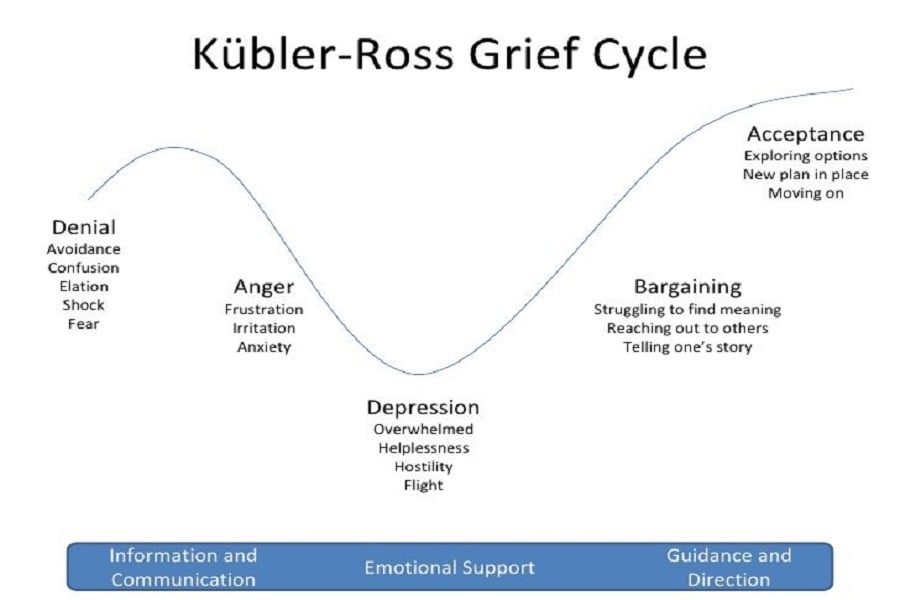
When we concern a location of acceptance, it is not that we no more feel the pain of loss. Rather, we are no more resisting the truth of our situation, and we are not having a hard time to make it something different. Unhappiness and regret can still be existing in this phase.
There is no certain time duration for any one of these phases. A single person might experience the stages promptly, such as in an issue of weeks, whereas one more person might take months or also years to move via the phases of grieving. Whatever time it considers you to move through these phases is completely normal.
Why EMDR Therapy Operates for Complex Trauma
You might or may not go via each of these stages or experience them in order. We might likewise relocate from one phase to an additional and potentially back again before completely moving right into a new stage.
These versions can give higher understanding to people who are injuring over the loss of a loved one. They can additionally be utilized by those in recovery careers, assisting them to provide effective take care of grieving individuals who are looking for educated advice. Epic psychologist John Bowlby concentrated his job on looking into the emotional add-on between parent and youngster.
British psychoanalyst Colin Murray Parkes created a design of sorrow based upon Bowlby's theory of attachment, recommending there are four stages of grieving when experiencing the loss of an enjoyed one:: Loss in this phase feels impossible to approve. The majority of carefully pertaining to Kbler-Ross's phase of denial, we are bewildered when trying to cope with our feelings.
: As we refine loss in this phase of grief, we might start to seek convenience to fill the gap our liked one has actually left. We could do this by reliving memories with images and looking for indications from the person to really feel linked to them. In this stage, we end up being really preoccupied with the individual we have lost.
The Evidence Supporting Eye Movement Desensitization and Reprocessing for Trauma Processing

The understanding that our enjoyed one is not returning really feels real, and we can have a challenging time comprehending or discovering hope in our future. We may feel a little bit pointless during this part of the mourning procedure and hideaway from others as we refine our pain.: In this phase, we feel much more confident that our hearts and minds can be recovered.

Latest Posts
Couples Therapy Navigating Multiple Languages
Cultural Values affecting Heritage Communities
Ongoing Success After Treatment